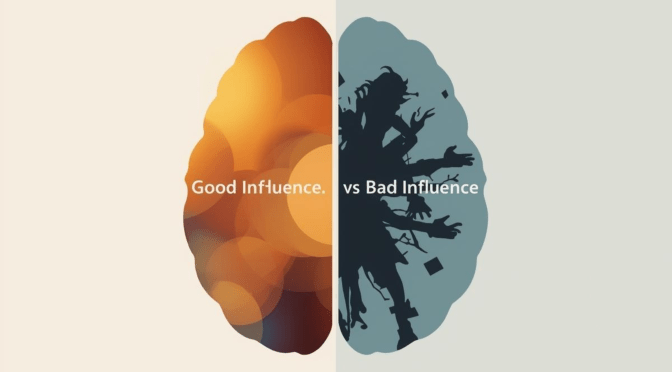
How to Recognize Bad Influence vs. Good Influence: A Psychology-Backed Guide to Seeing People Clearly
Information spreads fast in our world. Assumptions spread even faster. It’s easy to mislabel someone as a “bad influence” before knowing the real story. Psychology shows that our brains make quick judgments—even when they’re wrong. Learning to recognize genuine positive influence versus harmful influence is a crucial skill. It protects your mental health. It strengthens your relationships. It also helps you avoid unnecessary conflict.
This guide breaks down how to identify good and bad influences from a psychology perspective. It is backed by legitimate research concepts. The guide teaches you how to stop assuming the worst before you know the full truth.
Why We Misjudge People: The Psychology Behind Quick Assumptions
Before discussing good vs. bad influence, we must understand why humans jump to conclusions.
1. The Fundamental Attribution Error
Social psychologists have long studied our brain’s tendency to assume someone’s behavior reflects their personality rather than their circumstances. This is called the Fundamental Attribution Error.
Example: Someone cancels plans → you assume they don’t value you, instead of considering they may be mentally drained or overwhelmed.
This error leads people to label others as “negative” or “bad influence” without context.
2. Negativity Bias
Our brains naturally focus more on negative behaviors than positive ones. Evolution wired us this way for survival. Unfortunately, this bias makes us assume danger or threat even when none exists.
3. Confirmation Bias
Once you believe someone is a bad influence, your brain will look for evidence to confirm it—even if it’s wrong.
This is one of the biggest reasons friendships, workplaces, and families suffer unnecessary conflict.
What Is a “Bad Influence” in Psychology?
A bad influence isn’t someone who disagrees with you or makes mistakes. Psychology defines a harmful influence as someone who consistently displays patterns that damage your emotional, mental, or behavioral well-being.
Psychology-Based Traits of a Bad Influence
Below are evidence-based characteristics from social and behavioral psychology:
1. They Encourage You to Violate Your Values
A bad influence doesn’t respect your boundaries, goals, or moral compass.
Examples:
- Pressuring you to drink when you said no
- Mocking your ambitions
- Encouraging reckless spending or self-destructive behavior
2. They Trigger Chronic Stress
Research shows long-term emotional stress affects cognition and decision-making.
A negative influence repeatedly makes you feel:
- Drained
- Anxious
- On edge
- Guilty
Healthy influence brings psychological safety—not fear.
3. They Dismiss or Manipulate Your Feelings
This often shows up as:
- Gaslighting
- Minimizing your emotions
- Making everything about them
- Never taking accountability
This is a major red flag rooted in unhealthy attachment patterns.
4. They Sabotage Your Growth
From a developmental psychology standpoint, toxic influence blocks progress.
Signs:
- They discourage new opportunities
- They shame your goals
- They get jealous when you succeed
- They prefer you stay “small”
Influence that limits growth is inherently unhealthy.
5. They Encourage Impulsive or Risky Behavior
If someone consistently pushes you toward:
- Impulsive decisions
- Addictive patterns
- Reckless behaviors
…they qualify as a bad influence behaviorally—even if their intentions aren’t malicious.
What Is a “Good Influence” in Psychology?
A good influence supports your well-being, self-worth, emotional balance, and long-term success. Psychology shows that supportive relationships improve resilience, motivation, and life satisfaction.
Psychology-Based Traits of a Good Influence
1. They Respect Your Values & Boundaries
Healthy influence never requires sacrificing your integrity.
They listen and adjust—not push and pressure.
2. They Support Your Growth
Positive social influence elevates your potential. They:
- Encourage you to improve
- Celebrate your wins
- Remind you of your strengths
- Inspire discipline and consistency
Research shows supportive relationships improve creativity, self-confidence, and long-term goal achievement.
3. They Provide Honest but Kind Feedback
Good influence isn’t always comfortable.
Sometimes they challenge you—but in ways that build, not break.
4. They Regulate Your Stress, Not Increase It
Healthy influence helps your nervous system feel calmer, not more overwhelmed.
Your body can sense emotional safety before your mind does.
5. They Lift You Up—Not Out of Obligation, but Naturally
Good influence is effortless. They don’t need to “perform” positivism. Their energy is naturally stabilizing, not chaotic.
How to Stop Assuming the Worst About People Before Knowing the Facts
Too many relationships end because of misunderstandings, unspoken expectations, or assumptions driven by personal bias. Psychology offers tools to avoid this.
1. Slow Down Your Cognitive Biases
Before concluding someone is a bad influence, ask:
- “Do I know the full story?”
- “Am I reacting from emotion or fact?”
- “What else could be true?”
These questions interrupt automatic negative assumptions.
2. Use the “Behavior Over Time” Rule
One incident does not define someone.
Patterns do.
Observe their influence across:
- Weeks
- Months
- Different environments
People deserve context, not instant judgment.
3. Identify How You Feel Around Them, Not Just About Them
Your body knows the truth. Ask yourself:
- “Do I feel safe?”
- “Do I feel respected?”
- “Do I feel drained or uplifted?”
Emotional cues reveal real influence.
4. Separate Intent From Impact
Someone can have good intentions but harmful influence.
Someone can appear blunt but genuinely supportive.
Someone can be quiet but deeply loyal.
This distinction prevents misunderstanding and protects healthy relationships.
5. Communicate Before You Conclude
Most assumptions dissolve when you express concerns directly.
Often, what we label as “negative influence” is really:
- Miscommunication
- Stress
- Different personality styles
- Cultural differences
- Pure misunderstanding
Open conversation prevents unnecessary conflict and false labels.
Why We Must Stop Labeling People Without Evidence
Misjudging someone as a “bad influence” can:
- damage relationships
- create tension
- spread misinformation
- ruin reputations
- cause unnecessary emotional pain
Psychology emphasizes that humans thrive when understanding replaces judgment.
When you pause, observe, and gather real evidence, you see the truth—not your fears.
How to Build a Life Filled With Good Influence
Surround yourself with people who:
- Respect your boundaries
- Speak with honesty and kindness
- Celebrate your growth
- Offer emotional stability
- Live with integrity
- Inspire you to become your best self
Healthy social environments improve:
- Mental health
- Self-esteem
- Motivation
- Resilience
- Long-term success
Influence is powerful. Choosing wisely shapes your entire life.
Final Thoughts: Good Influence vs. Bad Influence Comes Down to Truth, Not Assumption
Before labeling someone, remember:
- Your brain is wired to make quick judgments
- Assumptions are often wrong
- Influence must be evaluated with context
- People deserve fairness before conclusions
- Truth is discovered through observation, not imagination
When you slow down and view others through a psychology-backed lens, you protect your relationships, your peace, and your emotional well-being.
And most importantly—you learn to see people for who they truly are, not who your mind assumes they are.
- How to Use AI to Plug Financial Leaks in 2026
- How to Fund Your 2026 Adventures Without Guilt
- Identifying Good vs. Bad Influence: A Psychological Approach
- Millennials & Gen X: Breaking the Paycheck-to-Paycheck Cycle
- Castles, Coastlines & Cobblestones: Our Epic 11-Day UK Itinerary Through England & Scotland 🇬🇧
Discover more from Mind, Money & Adventures
Subscribe to get the latest posts sent to your email.

 Mind, Money & Adventures